
 English
 Español
 Portugues
 Pусский
 Deutsch
 한국어
한국어 العربية
 Italiano
 Svenska
 ไทย
ไทย Türk dili
 Indonesia
 Melayu
 қазақ
қазақ বাংলা
বাংলা українська
 norsk
norsk Filipino
 o'zbek

Máy tiện đứng
Vertical Lathe: Overview and Applications A vertical lathe, also known as a vertical turning lathe (VTL), is a specialized machine tool designed for machining large, heavy, or asymmetrical workpieces. Unlike conventional horizontal lathes, a vertical lathe positions the workpiece vertically, allowing gravity to assist in securing the part, which enhances stability and precision during machining. Design and Working Principle The primary components of a vertical lathe include a rotating table (chuck), a vertical column, a crossrail, and tool heads. The workpiece is mounted on the horizontal rotary table, which spins around a vertical axis. The cutting tools, mounted on the tool heads, move along the X, Y, and Z axes to perform turning, facing, grooving, boring, and threading operations. Key features of vertical lathes include: - Sturdy Construction: The vertical orientation minimizes deflection, making it ideal for heavy-duty machining. - Large Workpiece Capacity: Suitable for machining large diameters and heavy components like turbine rotors, gears, and flanges. - Precision and Stability: The vertical setup reduces vibration, ensuring high accuracy. - Automation Compatibility: Many modern VTLs integrate CNC controls for automated, high-efficiency operations. Applications Vertical lathes are widely used in industries requiring the machining of large, heavy, or complex parts, including: - Energy Sector: Manufacturing turbine components, generator rotors, and valve bodies. - Aerospace: Producing landing gear parts, engine casings, and structural components. - Heavy Machinery: Machining large gears, bearings, and hydraulic components. - Transportation: Fabricating railway wheels, brake discs, and marine propulsion parts. Advantages Over Horizontal Lathes - Better Workpiece Handling: The vertical setup simplifies loading/unloading of heavy parts. - Improved Chip Evacuation: Chips fall away naturally, reducing interference with machining. - Space Efficiency: Requires less floor space compared to horizontal lathes for similar-sized workpieces. Conclusion Vertical lathes are indispensable in heavy industrial machining, offering superior stability, precision, and efficiency for large-scale components. Their versatility and robust design make them a preferred choice in sectors where conventional horizontal lathes fall short. With advancements in CNC technology, vertical lathes continue to evolve, meeting the demands of modern manufacturing.
Sản phẩm
Danh mục:
Máy tiện đứng
-
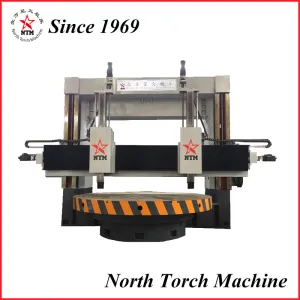
Máy tiện đứng có cột đôi
Phân loại của họ: Máy tiện đứngLượt xem: 58Số:Thời gian phát hành: 2025-11-25 13:21:40Máy tiện đứng có cột đôi: Tổng quan toàn diện Máy tiện đứng có cột đôi là loại máy công cụ rất tiên tiến và linh hoạt được thiết kế cho các hoạt động gia công hạng nặng. Nó được sử dụng rộng rãi trong các ngành công nghiệp như hàng không vũ trụ, năng lượng, ô tô và sản xuất máy móc hạng nặng do tính ổn định, độ chính xác đặc biệt và khả năng xử lý các phôi lớn và phức tạp. Bài viết này tìm hiểu các tính năng, ưu điểm, ứng dụng và tiến bộ công nghệ chính của Máy tiện đứng có cột đôi, cung cấp hiểu biết chi tiết về tầm quan trọng của nó trong sản xuất hiện đại. 1. Giới thiệu Máy tiện đứng cột... -
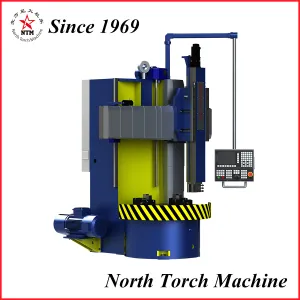
Máy tiện đứng
Phân loại của họ: Máy tiện đứngLượt xem: 61Số:Thời gian phát hành: 2025-11-26 13:35:41Máy tiện đứng, còn được gọi là máy phay đứng hoặc VTL, là nền tảng của sản xuất công nghiệp nặng, được thiết kế đặc biệt để gia công các phôi lớn, nặng và ngắn khó lắp trên máy tiện ngang thông thường.
Tin tức
Danh mục:
-
[Industry news]Máy tiện hạng nặng – Làm thế nào để đảm bảo sự ổn định trong...
2025-11-26 09:11:25
Trường hợp
Danh mục:
Không có kết quả tìm kiếm!
Video
Danh mục:
Không có kết quả tìm kiếm!
Tải về
Danh mục:
Không có kết quả tìm kiếm!
Tuyển dụng
Danh mục:
Không có kết quả tìm kiếm!
Sản phẩm được đề xuất
-
NEWS
Máy tiện đứng có cột đôi
Tìm hiểu thêm



 Điện thoại